Article: The Easiest Plants to Grow for Beginners
The Easiest Plants to Grow for Beginners
Starting a garden can seem intimidating, especially if you’ve never planted anything before. But gardening success doesn’t depend on experience so much as choosing the right plants. Some crops are naturally forgiving, quick to grow, and remarkably resilient, even when conditions aren’t perfect.
Recent data from the 2025 Annual New and Novice Gardener Survey shows that 70% of new gardeners felt successful in their 2024 activities, with over 82% reporting satisfaction with the quality of their harvest. Beginner-friendly species often have high germination rates and thrive in a range of light conditions, which is exactly what new growers need to stay motivated.
Beginner-Friendly Herbs
Herbs are the ideal entry point for the modern gardener. They are remarkably resilient to "new gardener mistakes" like inconsistent watering and can thrive in small, contained spaces.
According to germination data from Freight Farms, many herbs like parsley boast a 99% germination rate, while basil and chives typically maintain 80% to 90% viability under standard home conditions.
Some excellent starter herbs include:
-
Basil: A fast sprouter and robust grower in full sun.
-
Mint: Thrives in part shade and remains productive even with inconsistent watering.
-
Parsley: A steady performer with a long harvest window.
-
Chives: Hardy, perennial flavor boost for the kitchen.
High-Velocity Greens: From Seed to Table in 30 Days
Leafy greens are ideal for new gardeners because they grow quickly and can be harvested repeatedly. Many can be ready to eat in as little as 30 to 45 days, according to WVU Extension growth charts.
Here are some of the easiest:
-
Lettuce: Quick sprouting and tolerant of container growing.
-
Spinach: Performs well in cooler seasons and germinates reliably.
-
Arugula: Fast turnaround with a bold flavor.
-
Kale: Highly resilient and tolerant of a range of soil conditions.
Because greens often germinate and mature faster than fruiting crops, they help beginners build confidence and enjoy measurable results in just a few weeks.
Simple Vegetables for First-Time Gardeners
Some vegetables take only a short time between planting and harvest. Try these low-maintenance options frequently cited in the Homegrown Garden 2025 Guide:
-
Radishes: Often ready in as little as 25 to 30 days and tolerant of variable soil.
-
Bush Beans: Low-maintenance and productive because they require no staking.
-
Cherry Tomatoes: Compact varieties perform well in containers and reward steady light exposure.
According to USDA Extension recommendations, these crops require less intensive maintenance compared with larger fruiting plants like peppers or squash, making them ideal for early success.
Fruits That Give Results
Fruits can feel intimidating for beginners, but some varieties are surprisingly easy to grow.
The best approach is to start with "patio-sized" or dwarf varieties hybridized specifically for containers.
According to research from University Extension, container-grown fruits allow for precise control over soil acidity and drainage—two factors that are difficult to manage in native soil.
-
Strawberries: Often called the "gateway fruit," they are the fastest to harvest, frequently producing fruit within months of planting.
-
Blueberries: While they require acidic soil, this is easily managed in a container using peat-based potting mix. Look for "Southern Highbush" varieties for warmer climates.
-
Dwarf Figs: Varieties like 'Fignomenal' stay under 30 inches tall and can produce sweet fruit twice a year.
Florida Garden Conditions and Why Choice Matters
Florida’s climate presents unique challenges for gardeners, including sandy soils, rapid drainage, intense sun, and erratic rainfall patterns. Recent UF/IFAS research shows that Florida’s sand-dominated soils hold very little water, often only 0.4 inches of available moisture in the top foot of soil, making consistent watering a challenge.
For beginners and experienced gardeners alike, these conditions make it difficult for plants to thrive in traditional beds. Choosing plant species that tolerate moisture fluctuations helps, but an even more effective solution is container or contained growing systems.
How Contained Growing Makes Success Even Easier
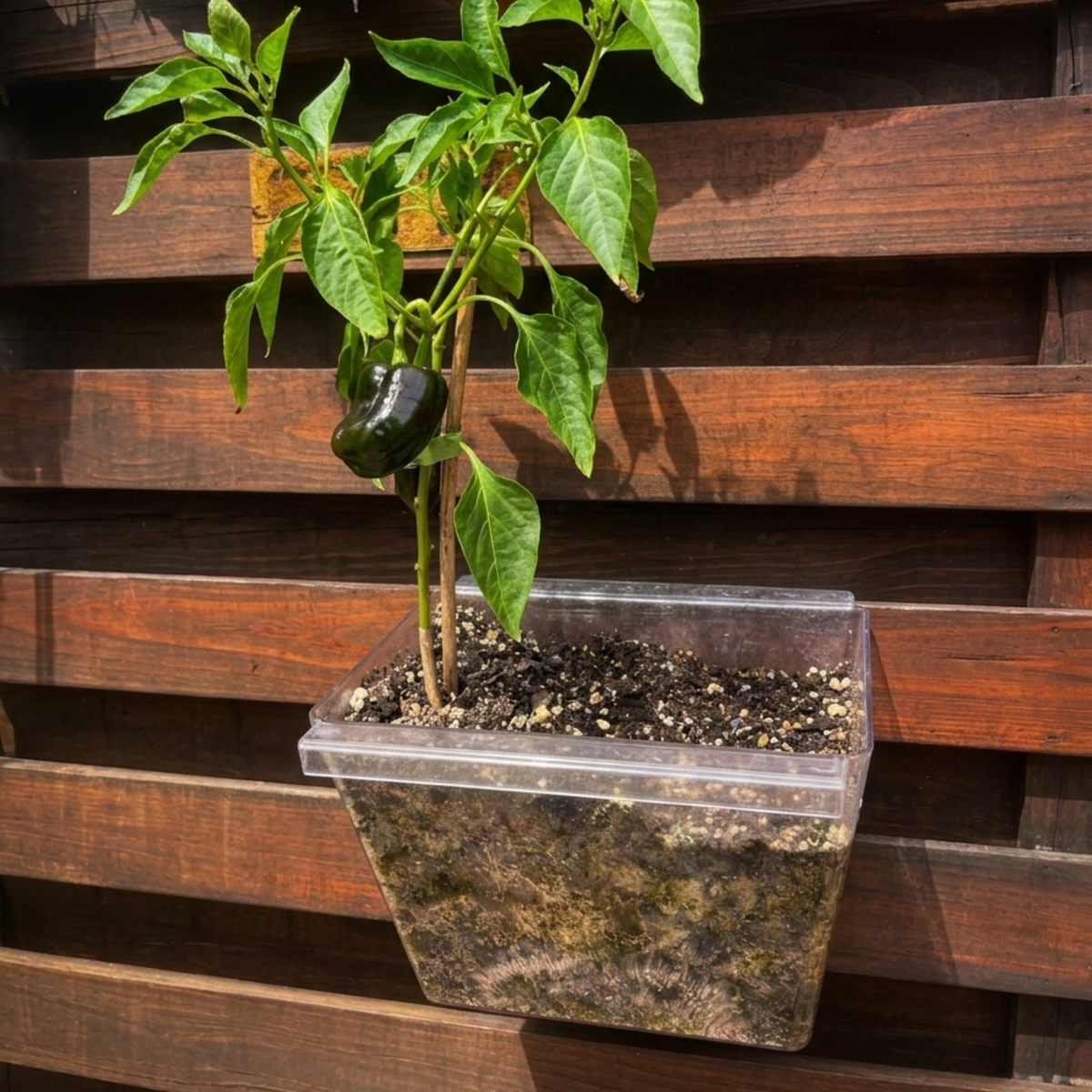
Even the easiest plants perform better when water and nutrients are delivered efficiently. Contained growing systems like our transparent planters improve outcomes by keeping water and nutrients available directly at the roots.
Here’s how this method supports beginner success:
-
Water is delivered where it is needed, reducing evaporation and waste in sandy environments.
-
Nutrients remain in the root zone instead of washing away through rapid soil leaching.
-
Plants experience fewer stress cycles from dry soil or overwatering.
-
Visual monitoring: The transparent design lets gardeners visually track root health and water levels.
Start Small and Grow Confidently
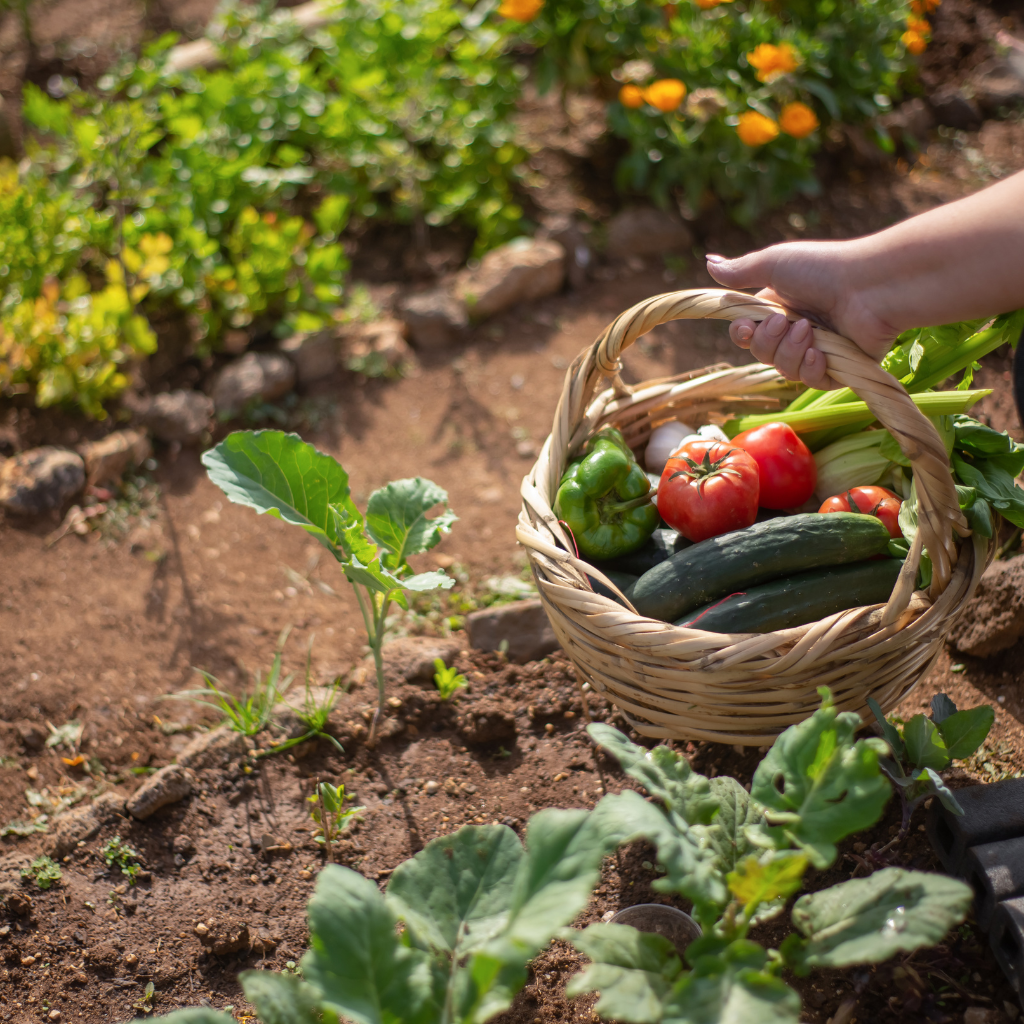
If you are just beginning your gardening journey, choosing easy plants sets you up for early success. Herbs, leafy greens, and simple vegetables help you see results quickly and enjoy fresh food at home.
With efficient water use and a contained growing system, your first garden can be productive and low-maintenance. When water and nutrients are delivered more directly and consistently, plants grow stronger, faster, and with less effort on your part.