From Root to Table: Safe Produce with Vertical Growing Systems
Food safety remains a critical public health priority in the U.S. and around the world. Each year, thousands of confirmed foodborne illnesses related to produce affect people, and contamination risks arise at multiple points throughout the production and supply chain.
Recent scientific research highlights key challenges associated with conventional agriculture, while also pointing toward effective strategies to minimize risk through controlled growing environments.
Understanding Foodborne Risks in Fresh Produce
Fresh fruits and vegetables are essential for a healthy diet, but they also present particular food safety challenges. Pathogens such as Salmonella, E. coli, and Listeria can contaminate produce at multiple stages of cultivation, harvesting, processing, and distribution.
According to a 2025 review in Food and Nutrition Research, fresh produce accounts for a large share of foodborne outbreaks, partly because the bacteria and viruses associated with contamination are not eliminated before consumption when foods are eaten raw. For example, a combination of six plant food categories accounted for nearly half of all food-borne illnesses, with leafy vegetables accounting for the highest percentage.
Other research confirms that contamination often stems from uncontrolled exposure to soil, water, animal sources, and human handling. Soil splash, contaminated irrigation water, and close proximity to livestock operations have all been linked to the transfer of harmful bacteria to crops such as leafy greens.
Emerging Contaminants and Chemical Exposure
In addition to biological pathogens, chemical contaminants are receiving growing attention. Recent environmental reviews have highlighted widespread application of persistent chemicals, such as PFAS (per‑ and polyfluoroalkyl substances), on and around agricultural fields. PFAS, often termed “forever chemicals” because they do not break down easily, have been linked to serious health concerns, and can accumulate in both soil and produce.
While regulatory standards continue to evolve, these findings point to an ongoing challenge: conventional field production exposes crops to a broad range of environmental variables that are difficult to control once planted in open soil.
Controlled Growing Systems: A Proactive Approach to Food Safety
Given these food safety challenges, many growers from home gardeners to commercial farms are exploring controlled environment growing systems as a way to reduce contamination risks and increase consistency of produce quality.
Controlled systems, such as vertical planter systems and modular growing units, offer several advantages:
1. Reduced Soil and Water Exposure
Unlike open field cultivation, controlled systems isolate plants from surrounding soil and external water runoff. This minimizes the chances of contact with contaminated irrigation or soilborne pathogens, which are common vectors for foodborne bacteria.
2. Improved Sanitation and Monitoring
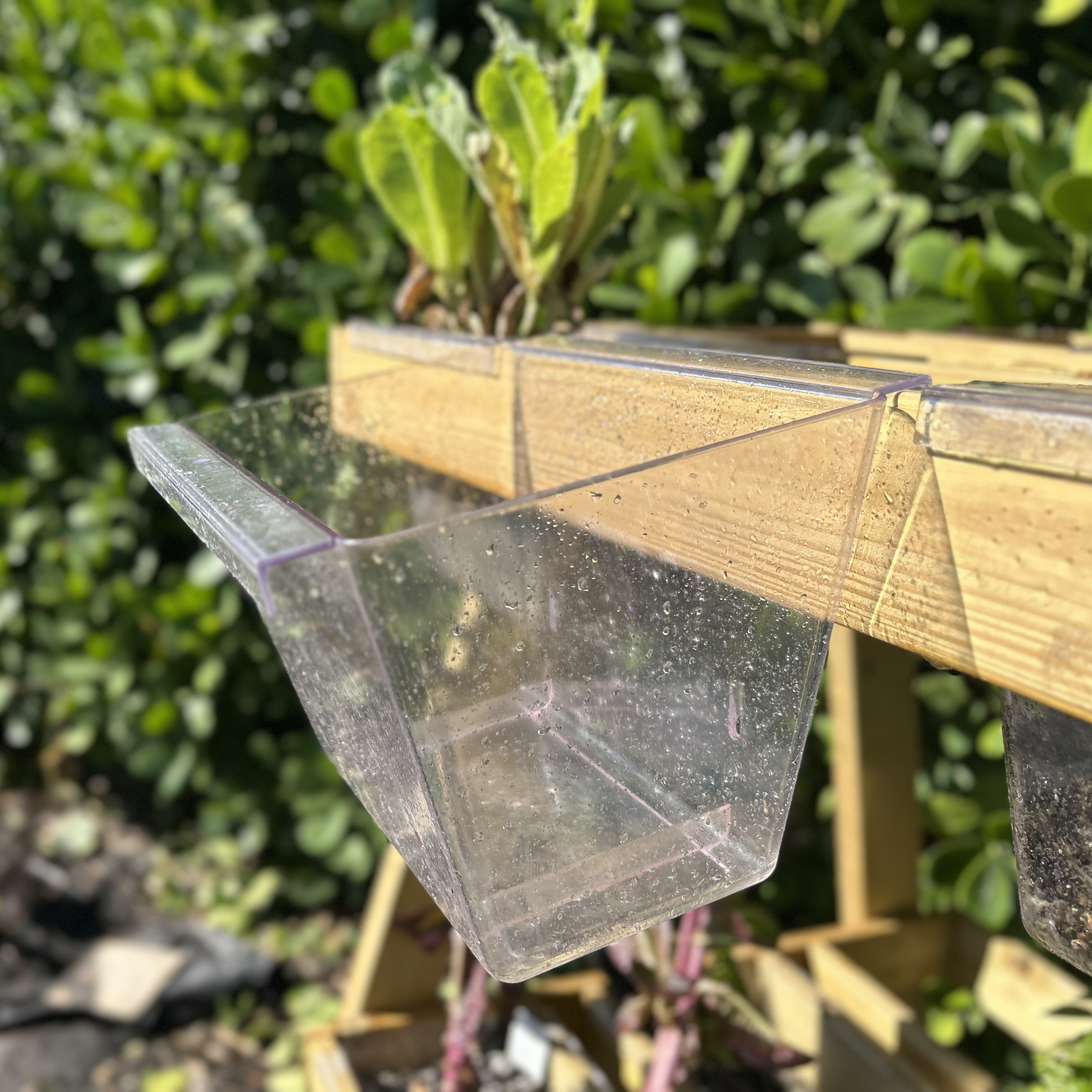
Clear vessels and modular chambers make it easier to visually inspect root development, soil moisture, and overall plant health, which are important factors in preventing decay, mold, or pathogen growth. For small farms and commercial nurseries, this level of visibility complements standard quality control practices.
3. Environmental Control Across Scales
Research on controlled agriculture emphasizes that precision management of water and nutrients reduces variability and increases predictability in crop production, which in turn can reduce contamination risk and improve food safety outcomes. Modern smart growing systems, like vertical agriculture, support this approach by managing environmental inputs more precisely than traditional field systems.
4. Suitable for Diverse Operations
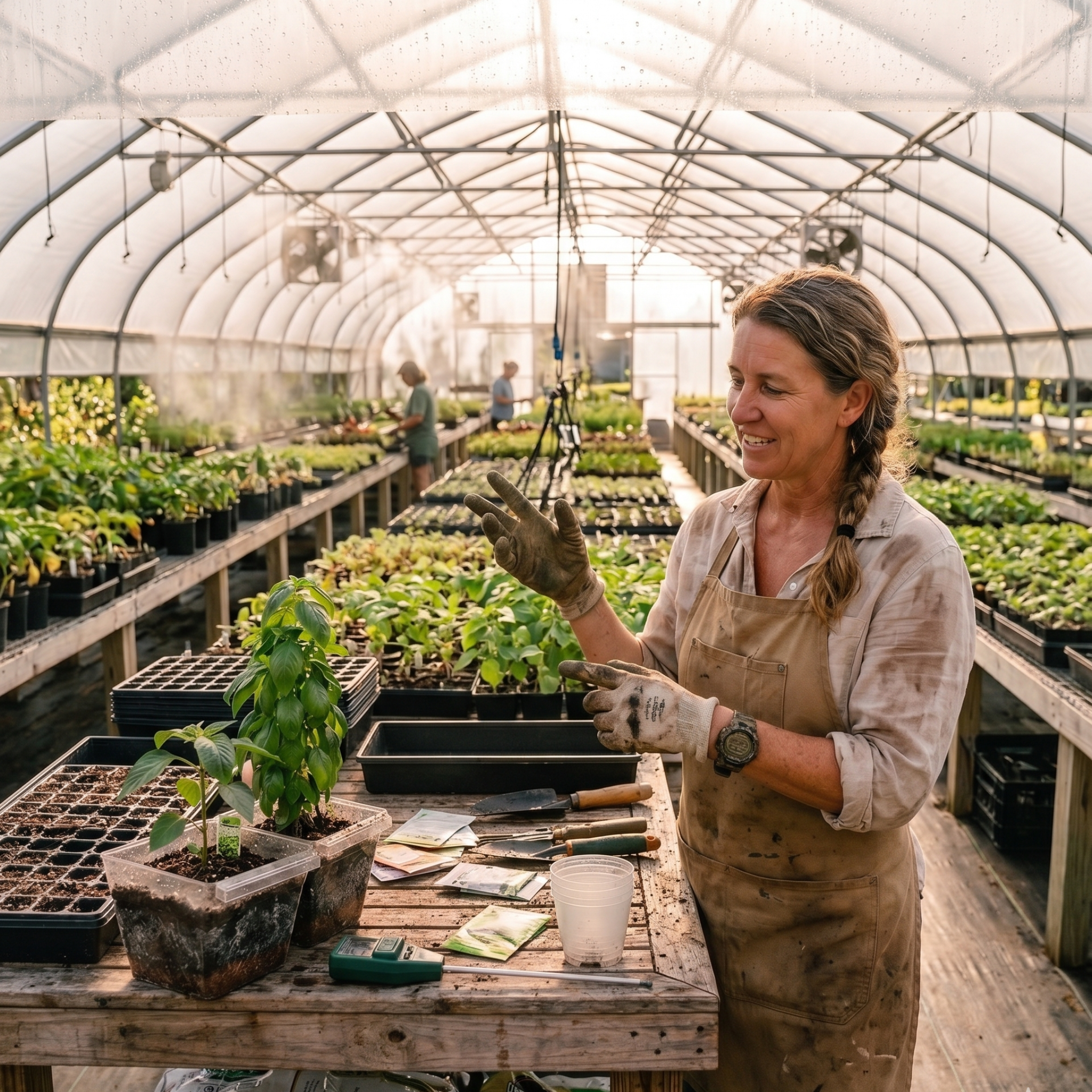
These benefits apply not only in small home gardens, but also in commercial and institutional food production environments. Small farms can use controlled systems to start seedlings or produce high‑value specialty crops safely, while larger operations can integrate contained growing units into pre‑harvest or nursery stages to reduce initial contamination sources.
The Best Planter for Food Safety
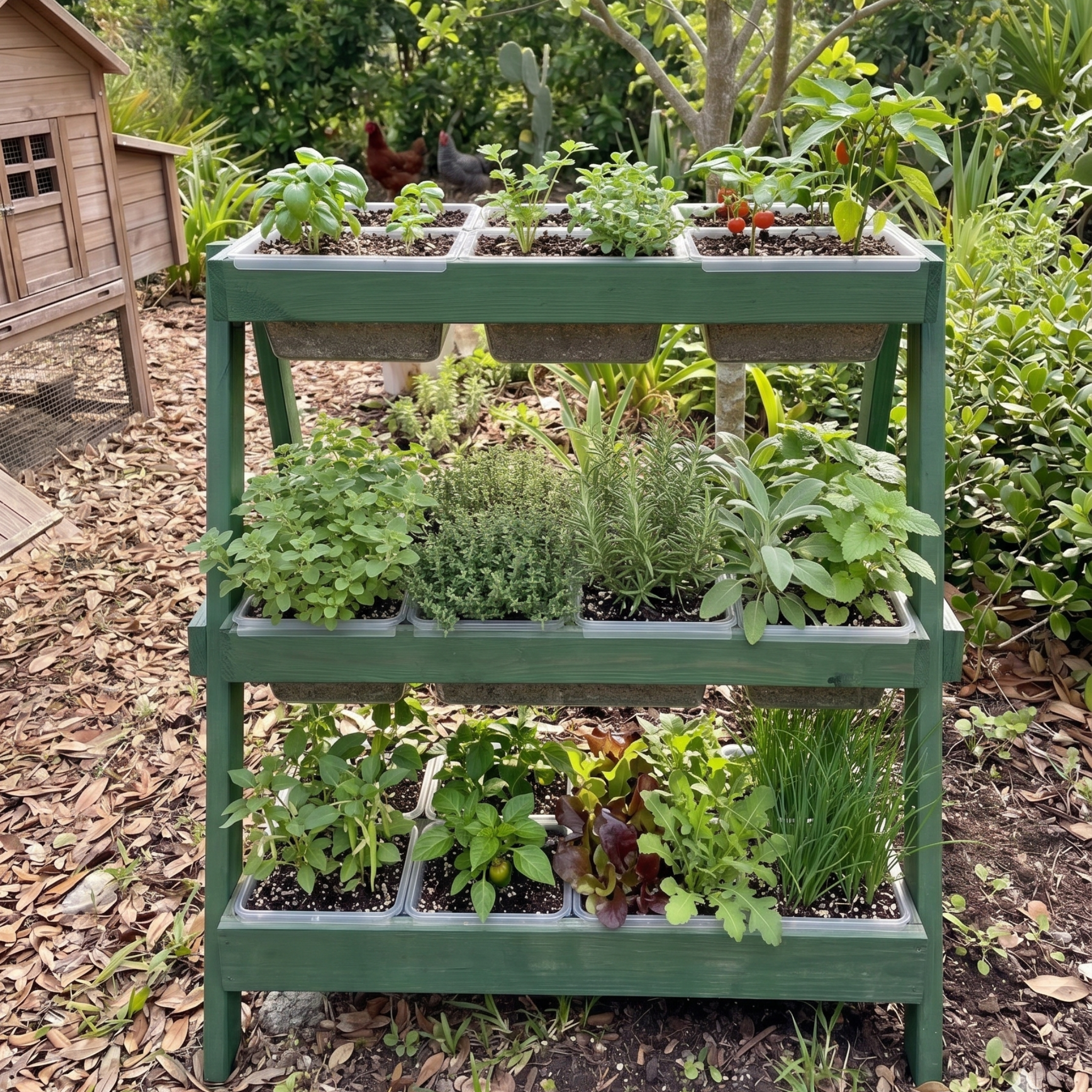
For home gardeners, small-scale growers, and large farm operations, controlled growing environments like Grow Plants Everywhere planter boxes offer a reliable way to cultivate fresh produce with reduced exposure to external food safety risks, including soilborne pathogens and contaminated water sources.
Urban growers or households without traditional yard space can safely produce high-quality greens, herbs, vegetables, and flowers on balconies, patios, or even indoors. Each clear, modular planter provides its own soil, water, and root space, allowing plants to thrive without competition and giving growers full visibility into plant and root health.
Whether starting a single planter or scaling up for multiple units, Grow Plants Everywhere makes it possible to grow safe, nutritious food anywhere, at any scale, from personal kitchens to commercial small farms.