Florida’s Disappearing Farmland: Why It Matters More Than Ever
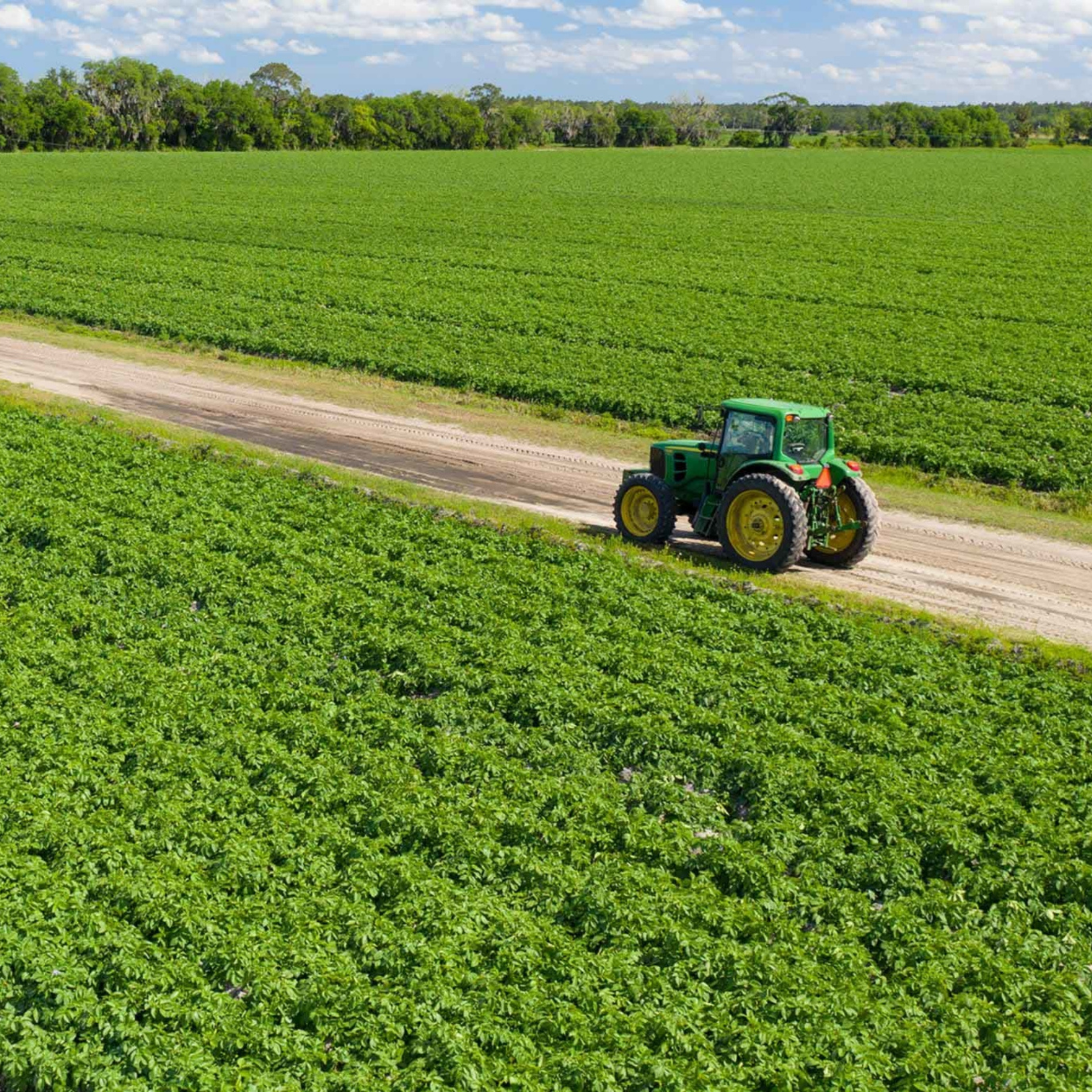
Florida’s identity has long been rooted in agriculture. From citrus groves and cattle ranches to specialty crops and small-scale farms, the state has played a critical role in feeding both its residents and the nation. But today, that foundation is steadily shrinking.
From 2017 to 2022, Florida lost 2,887 farms and more than 30,000 acres of farmland. At the same time, the state is growing rapidly, with approximately 1,000 new residents arriving every day. As development expands to meet housing and infrastructure demands, agricultural land is increasingly being converted into residential and commercial spaces.
This shift is creating a growing imbalance between population growth and local food production.
A Long-Term Trend With Lasting Impact
The loss of farmland is not slowing down. In fact, recent data shows the pace of conversion is accelerating.
According to the Lay of the Land 2024 Florida Market Report, more than 72,000 acres of agricultural land were sold and converted into residential, commercial, or solar development in a single year.
To put that into perspective, that is nearly double the total farmland Florida lost over the previous five-year period, compressed into just one year.
If current trends continue, Florida could lose up to 45,000 acres of farmland every year moving forward. By 2070, that would amount to nearly 2 million acres removed from agricultural use.
As available farmland declines, so does the state’s ability to produce food locally. This increases reliance on imports from other regions and exposes supply chains to greater risk.
More Than Land Loss
When farmland disappears, the impact goes far beyond acreage.
Each acre lost represents a reduction in food production capacity, a loss of natural water recharge areas, and a shift away from a long-standing agricultural way of life.
Farmland plays an important role in absorbing rainfall and replenishing groundwater. When it is replaced with development, more water is diverted into runoff instead of being naturally filtered back into the system.
At the same time, fewer working farms means less locally grown food available to nearby communities.
Why This Matters in a Changing World
As local food production declines, dependence on long-distance supply chains increases. Food must travel farther, costs rise, and availability becomes more sensitive to outside disruptions.
Recent events have made this vulnerability more visible.
The COVID-19 pandemic exposed weaknesses in food distribution systems, with empty shelves and delayed shipments becoming common across the country. More recently, hurricanes impacting Florida and surrounding regions have disrupted transportation routes, delayed deliveries, and limited access to fresh food.
Beyond natural disasters, factors like global conflict, inflation, and fuel costs all influence how reliably food can move from one place to another.
Keeping food production closer to home is not just about convenience. It’s about resilience.
Why the Ability to Grow Your Own Food Still Matters
It is easy to assume that food will always be available at the grocery store, farmers market, or food bank. In modern life, access feels constant and reliable.
History tells a different story.
During the 1930s and 1940s, many families faced food shortages and uncertainty. In World War II, rationing limited access to everyday items, and households relied heavily on what they could grow themselves. Victory gardens became a meaningful source of food, supporting not only individual families but also neighbors and local communities.
These moments highlight a simple reality. Access to food has never been guaranteed.
From a biological standpoint, the margin is small. Humans can survive only about three days without water and roughly three weeks without food. While today’s systems make access easier, they also create dependence on large, complex systems that are increasingly under pressure.
Growing More With Less Land
As Florida’s agricultural footprint shrinks, efficiency is becoming more important than ever. The challenge is no longer just about growing more. It is about growing smarter with the space that remains.
At Grow Plants Everywhere, we focus on helping growers adapt to these changing conditions by maximizing productivity in smaller areas.
Traditional growing methods often require significant land, water, and maintenance. In contrast, contained growing systems allow plants to thrive in compact spaces while using resources more efficiently.
A Smarter Approach to Modern Growing
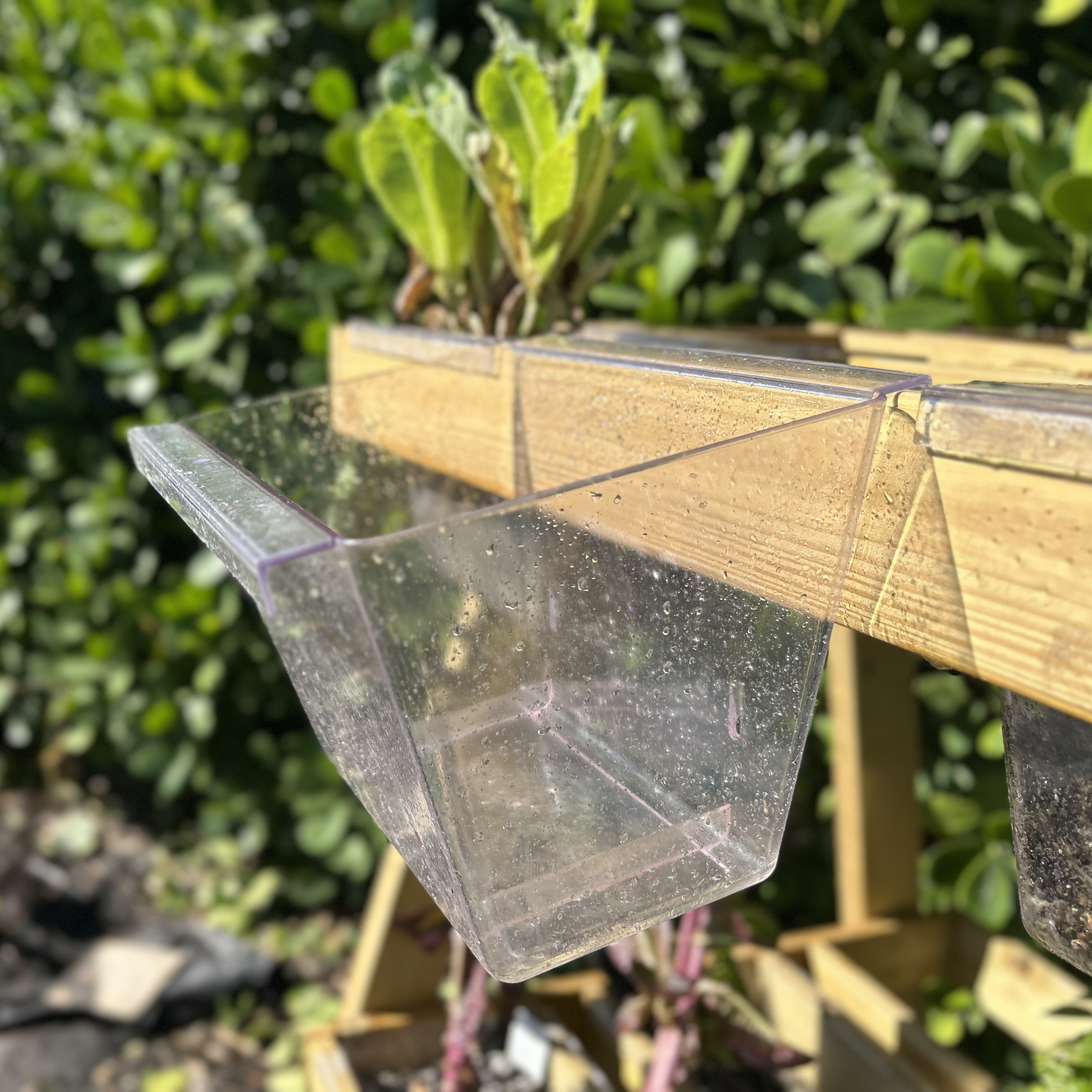
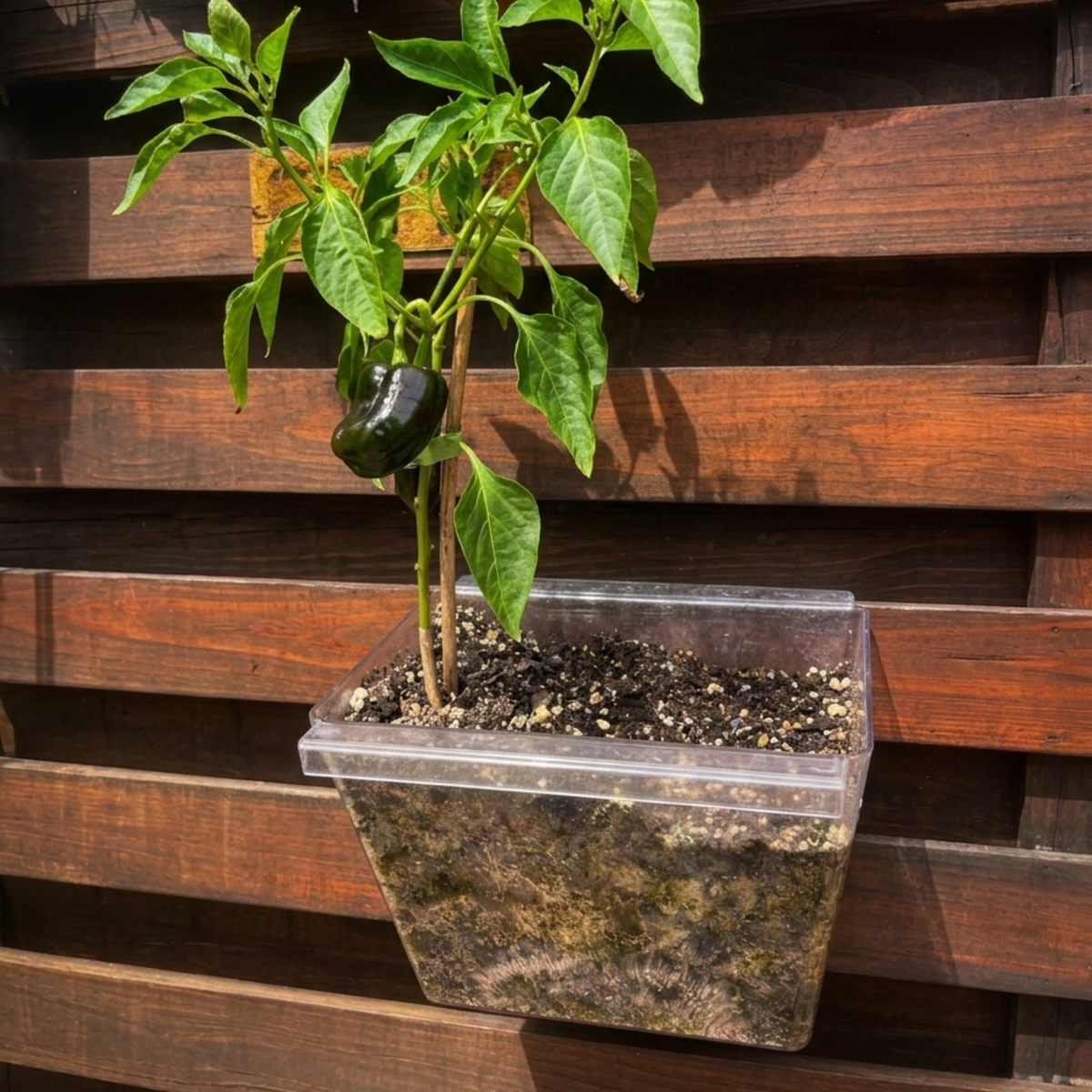
Our transparent hanging planters are designed to support high-efficiency growing without the need for large plots of land.
Each plant is grown in its own contained environment, where water and nutrients are delivered directly to the roots. This approach allows growers to:
-
Cultivate plants in smaller spaces such as patios, backyards, or vertical setups
-
Reduce reliance on traditional farmland and soil quality
-
Optimize resource use while maintaining strong, healthy growth

Because the system is self-contained, growers can produce more in less space. This makes it a practical solution for both home gardeners and small-scale producers navigating Florida’s changing landscape.
The Future of Growing Plants in Florida
Florida’s farmland may be shrinking, but the ability to grow does not have to disappear with it.
When more people have access to efficient, space-conscious growing methods, food production becomes more distributed and less dependent on large systems that are vulnerable to disruption.
Whether you are growing herbs on a patio or cultivating specialty crops in a backyard setup, every effort contributes to a more resilient and sustainable future.
As the state continues to evolve, growing smarter will be essential. Not only for productivity, but for maintaining reliable access to something fundamental. The ability to produce food, even as the landscape continues to change.