Article: Fighting Food Insecurity with Home Gardens
Fighting Food Insecurity with Home Gardens
Food insecurity remains a persistent challenge in the United States. According to the USDA Economic Research Service, about 13.5% of U.S. households are food insecure, meaning they lack consistent access to enough food for all household members at some point during the year. This represents roughly 18 million households facing uncertainty about their next meal.
This systemic vulnerability is exactly why U.S. Agriculture Secretary Brooke Rollins recently declared a powerful directive for the country: “FOOD SECURITY IS NATIONAL SECURITY.” While the federal government works to protect American farmland from foreign adversaries, true national security also begins at the household level. When individual families secure their own food supply, they actively help fortify the entire country's economic and domestic defense.
Cost of Food and Grocery Spending
Food prices have steadily increased in recent years. According to the U.S. Bureau of Labor Statistics, grocery prices rose by over 20% between 2020 and 2024, outpacing general inflation and household income growth.
For households with tight budgets, rising prices often mean sacrificing quality, reducing fruit and vegetable purchases, or relying on budget-friendly but less nutritious options. These challenges underscore the need for accessible solutions that improve both food availability and nutrition.
Access to Fresh Produce
Geography and income play a significant role in food access. The Centers for Disease Control and Prevention (CDC) reports that many low-income communities are located in food deserts, areas where full-service grocery stores and fresh produce are scarce.
Residents in these areas often rely on convenience stores or dollar markets with limited healthy options, which is associated with lower diet quality and higher rates of diet-related chronic diseases.
A Growing Trend Toward Home Food Production
Amid these challenges, Americans are increasingly turning to home gardening. According to a 2025 survey:
-
71% of Americans planned to grow food at home in 2025,
-
54% are gardening to lower grocery bills,
-
Many aim to grow nearly a quarter (23%) of their grocery needs,
-
11% of urban respondents grow food because certain groceries are otherwise unaffordable,
-
60% planned to grow more food in 2025 than in 2024.
These trends highlight a growing interest in self-sufficiency, affordability, and access to fresh produce.
How Home and Small-Scale Growing Can Improve Food Access
Growing food at home or on a small scale is more than a hobby, it can improve access to fresh produce, reduce grocery costs, and supplement traditional food sources.
Gardening Improves Diet Quality
Studies show that households engaged in gardening consume more fruits and vegetables. A 2024 analysis from the Journal of Nutrition Education and Behavior found that home gardeners reported higher weekly servings of vegetables and improved dietary quality compared to non-gardeners.
Greater vegetable intake is associated with lower risk of chronic diseases, including cardiovascular disease, type 2 diabetes, and certain cancers.
Growing Fresh Food Can Reduce Costs
With grocery prices rising, producing food at home can reduce household expenditures. The USDA reports that families who garden can save up to 30% on produce costs, depending on crop type and scale. These savings are particularly valuable for households with limited income.
Vertical Planter Boxes: A Practical Solution for Urban and Small-Space Gardening
Food insecurity affects millions of Americans, but growing fresh, nutritious food at home doesn’t have to be limited by financial resources or space.
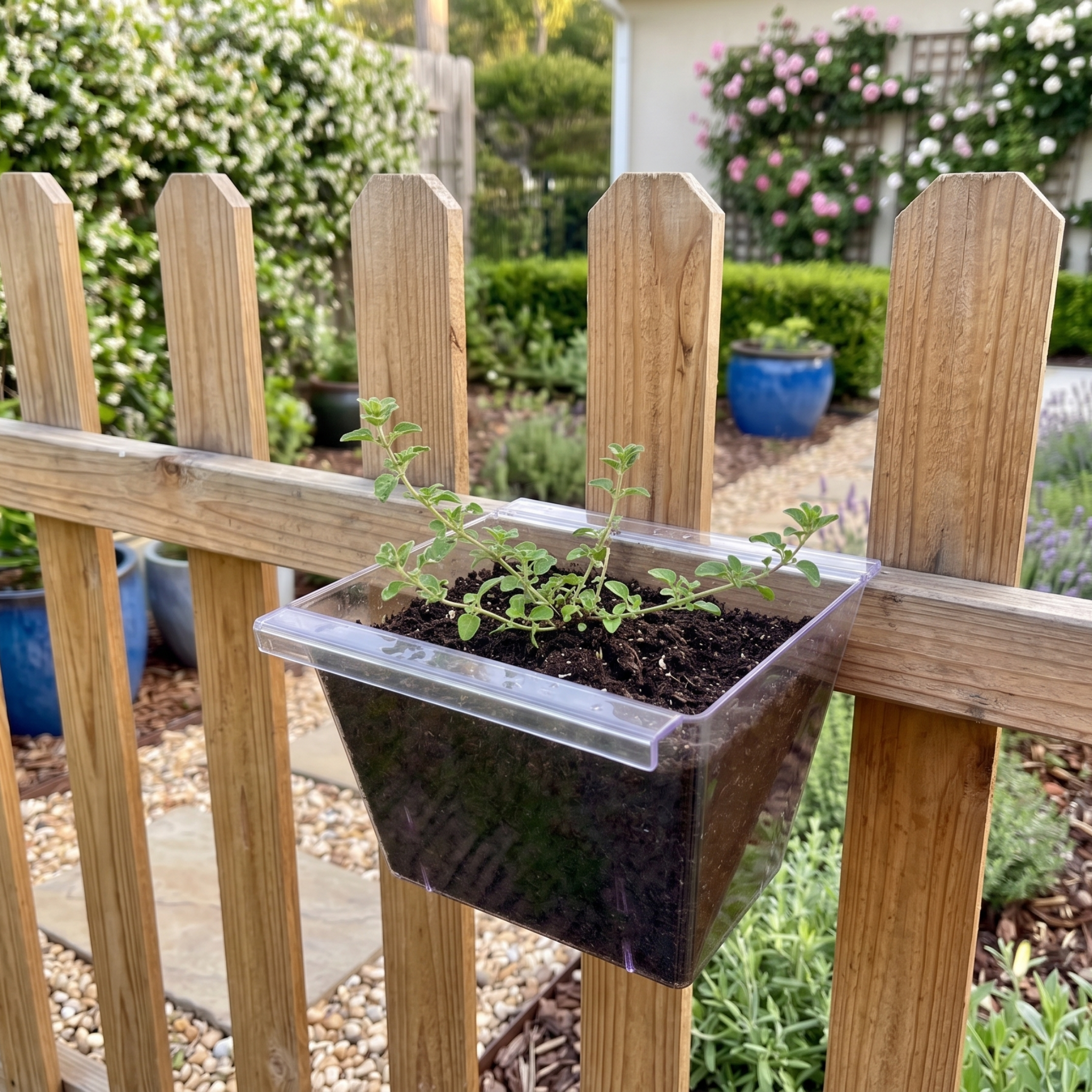
Vertical planter boxes make it possible to grow herbs, vegetables, and compact fruits in places where a traditional garden is unfeasible, like apartment balconies, small patios, fences, or narrow backyard areas.
These systems are highly flexible and scalable. Gardeners can start with just one or two planters or expand to multiple units depending on space and needs, making it affordable and adaptable for any household. Each planter provides its own soil, water, and root space, ensuring crops thrive without competing for resources.
By adopting vertical planter boxes, households can grow more food, save on grocery costs, and take meaningful steps toward improving access to fresh produce, even when outdoor space is minimal.